
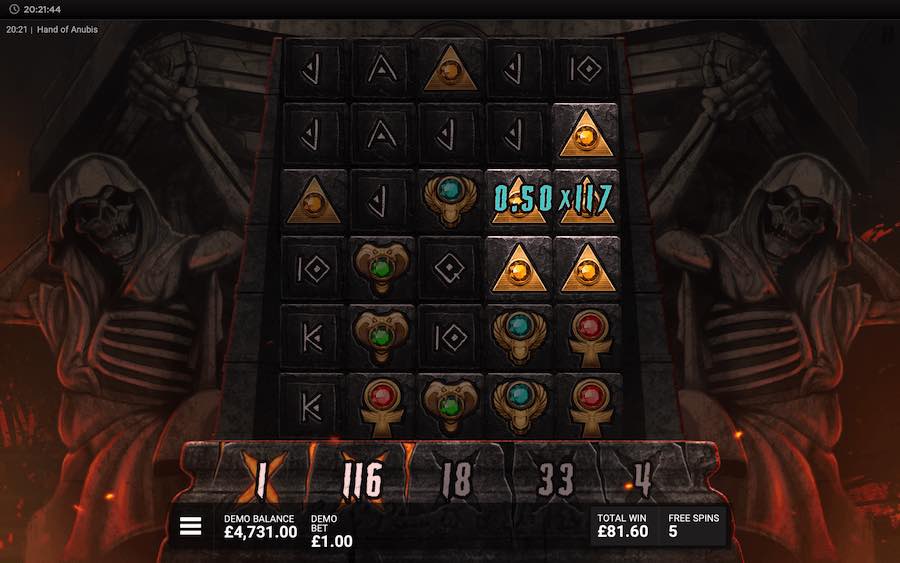
Across the UK, an unusual but real link has appeared between online slots and health awareness https://handofanubis.net/. People are discussing «hearing test wait» in the same breath as the popular Hand of Anubis slot game. This blend points to a bigger conversation about ear health. It’s a clear sign of how digital culture can shine a light on routine wellness checks in the strangest ways.
Understanding Healthcare Systems for Auditory Care
In the UK, the journey typically starts at your GP’s office. They’ll discuss your concerns, check for simple blockages like wax, and can refer you to an audiology clinic or an ENT specialist. This referral is what starts the famous «wait» you read about online.
How long you wait depends on where you live, how busy services are, and how urgent your case is. The NHS handles the care, but some people go private for a faster assessment and hearing aid fitting. The trade-off is you pay for that speed yourself.
What Happens During a Hearing Assessment
A standard hearing test is uncomplicated and doesn’t hurt. It happens in a quiet, soundproof booth. You wear headphones and an audiologist plays tones at different pitches and volumes. You press a button or raise your hand when you hear something. This maps out the quietest sounds you can detect.
They’ll also speak words at different volumes to see how well you understand speech. The results go on a chart called an audiogram. The audiologist walks you through it, describes any hearing loss they find, and talks about options. This could mean hearing aids, other devices, or learning new ways to communicate.
The Psychological Impact of Hearing Loss
Overlooking hearing loss goes beyond just muffling sounds. It messes with your head and your social life. Working hard to follow conversations leads to irritation and embarrassment. Many people begin avoiding social events, hobbies, and even family chats to escape the difficulty. That isolation can contribute to loneliness and depression.
Your brain also takes a hit. It operates at full capacity to make sense of broken sounds, which is draining. This mental fatigue is tangible, and some research connects untreated hearing loss to faster cognitive decline. Dealing with your hearing, then, isn’t just about sounds. It’s about maintaining your mind and social world in good shape.
Overcoming Stigma and Embracing Solutions
Even now, some people feel self-conscious about hearing loss and hearing aids. That attitude can stop them from getting help. But today’s hearing aids are a world away from the clunky devices of the past. They’re discreet, advanced, and can pair without wires to your phone or TV, making life easier, not harder.
The key is to think of them like glasses—a basic, effective tool that restores your participation. Support from family and friends who advocate for testing and treatment makes a huge difference. The aim is to break down the silly barriers and emphasize how much better life is when you can hear properly.
Ear Health in a Loud Modern World
Daily life is clamorous. City noise, headphones cranked up, continuous sound from devices—our ears are under pressure. Defending them means building better habits. Easy choices assist, like wearing noise-cancelling earphones so you can maintain a lower volume, or stepping away from loud places for a break.
Recognizing what’s a healthy volume is critical, especially if you spend hours gaming, listening to music, or watching videos. Your hearing system is strong, but it’s not unbreakable. The small hair cells in your auditory canal can be damaged for good. Stopping the damage before it commences is the only reliable method.
Preventive Actions for Day-to-Day Living
If you’re frequently in noisy places—live shows, construction sites, mowing the lawn—ear protection is essential. For daily headphone use, remember the 60 percent 60 minute rule: no more than 60% sound level for no longer than 60 https://tracxn.com/d/companies/winbox/__CwMj49f3vU_zifTsg4pi4KNpB5Xk34PyhSgV_sJk_PA mins at a time. Your auditory system need silent pauses to restore.
Pay attention to the surrounding noise and pick quieter options when you can. Undergoing a hearing exam regularly, the same way you see a dentist, creates a reference point and monitors gradual changes. This isn’t being overly cautious; it’s taking control while you have the chance.
The Meeting Point of Gaming and Health Awareness
Online spaces have a tendency of creating their own vocabulary and linking topics that seem to have nothing in common. The chatter about hearing tests and Hand of Anubis fits this perfectly. It shows that people are considering more looking after themselves, even when they’re enjoying with a game. Digital platforms, it turns out, can be surprisingly effective at spreading health messages without even trying.
For a lot of us, downtime and entertainment can trigger thoughts about our own bodies. A game with a powerful soundtrack might make someone wonder about how well they’re catching every note. That thought can quickly become an online search. Before you know it, the language of gaming and healthcare get intertwined together in a way that feels completely natural.
Decoding the Hand of Anubis Slot Game
Hand of Anubis is an online slot steeped in ancient Egyptian myth. Its reels are loaded with gods, pharaohs, and sacred relics. But the game’s atmosphere isn’t just visual. Sound is a major part of the package, utilized to build suspense and make wins feel more exciting.
The audio design matters. You hear thematic music, sharp sound effects for scoring, and a deep background hum. This isn’t just window dressing. It draws you into the game. The sounds are as essential to the fun as the graphics or the rules.
Sound Design and Player Immersion
The sound in Hand of Anubis tries to pull you into a tomb. Low musical chords conjure mystery. The clatter of coins and the ring of a winning spin give you that gratifying hit. Good games use this layered sound to wrap you up in the experience.
A rich soundscape like this can make you notice your own hearing. If the chimes sound fuzzy or you miss a cue, it might nag at you. Without meaning to, you start measuring the game’s crisp audio to what you hear in the real world. That comparison can be the little push that makes you search for hearing tests online.
The Importance of Routine Hearing Tests
Taking care of your ears is a major component of general health, but most of us overlook it until something goes wrong. Regular check-ups detect problems early, like age-related loss or damage from noise. Catching it early means you can handle it better and life stays good.
In the UK, the NHS handles hearing services, but getting to a specialist can take time. This fact is now part of everyday talk, with people sharing stories about the «hearing test wait.» That phrase sums up the anxious gap between deciding you need help and actually meeting with a professional.
Spotting the Signs of Hearing Loss
The signs creep up. You have trouble following a chat in a busy pub. You ask «what?» a lot. The TV volume goes up, annoying everyone else. There might be a constant ring or buzz in your ears, called tinnitus. It’s easy to dismiss these or blame a noisy room.
Sometimes, loved ones see it first. They might think you’re being distant or not paying attention, when really you just https://www.crunchbase.com/organization/netent can’t hear them properly. Identifying these signs yourself, or paying attention when someone highlights them, is the step that leads to getting tested and discovering a solution.
How Digital Culture Amplifies Health Conversations
The manner in which we approach health has evolved. Forums, social media, and even the comments under a game review transform into spaces for swapping personal stories. You might look for a slot review and find a thread where people are recounting their own struggles with ear health.
This has a network effect. Unusual phrases build momentum. The combination of «hearing test wait» and «Hand of Anubis» probably started with one person’s offhand story online. Once it’s published, search engines record it. That creates a permanent, searchable link between two completely different ideas.
The Function of Search Engines and Community Forums
Search engines operate by associating terms based on what people search for. If enough users query hearing test info and the Hand of Anubis slot around the same time, the algorithm notes a correlation. It could then propose the topics together, making the link appear even more concrete.
Forums are where this really exists. On a gaming or consumer site, a user might post about appreciating a game’s sounds while complaining about their own hearing and the long wait for an NHS test. Others spot it and chime in with «me too» stories. That single post could solidify the association for a whole community.
Parallels Between Player Interaction and Proactive Health
Consider how gamers operate. They study tactics, exchange tips, and refine their approach to prevail. This is the same attitude you require to look after your health. Mastering the mechanics of Hand of Anubis to perform better isn’t so far off from discovering about your own body to exist better.
This similarity is a opportunity. We might use the organic communication styles of online communities to promote positive health steps. When health talk emerges from among these groups, like the hearing test chat occurred, it comes across more real and approachable than any formal poster campaign.
Learning from In-Game Feedback Loops
Games are masters of feedback. A blink, a tone, a score update—they tell you immediately how you’re performing. Health maintenance can work the same fashion. Regular check-ups and wearables give you data. A hearing test provides you straightforward feedback on your ears, providing a personal baseline and progress report, comparable to a game’s stats screen.
Seeing health this light makes it less daunting. Scheduling a hearing test is no longer about bad news and turns into about collecting useful information. It offers you the capacity to take smarter choices about your own wellness.
Tomorrow’s combined health and wellbeing awareness
As our digital and physical lives combine, so will entertainment, information, and health. We currently wear gadgets that record steps and sleep. Coming models might unobtrusively track our hearing. The conversation that started with a strange search term today hints at this broader view of the way we exist and sense.
The strange link between a slot game and ear health talk is a tiny preview. It demonstrates that any element of routine, including play, can prompt a moment of health reflection. The challenge now is to employ these chance connections to direct individuals to correct advice and proper care.
Building Bridges for Better Health Outcomes
The actual lesson from the «hearing test wait Hand of Anubis» trend is straightforward: people seek health information, and they’ll look for it anywhere. It demonstrates we consider our wellbeing in all sorts of contexts. Doctors, public health teams, and even game reviewers can contribute by making sure good, reliable guidance is present when these oddball conversations happen.
We need to make routine checks normal, explain how healthcare works (waits and all), and chip away at the stigma. If the spooky music of an Egyptian slot prompts one person to finally arrange that hearing test they’ve postponed for years, it illustrates how effectively—and unexpectedly—awareness can spread today.